
Change is inevitable, so embrace it
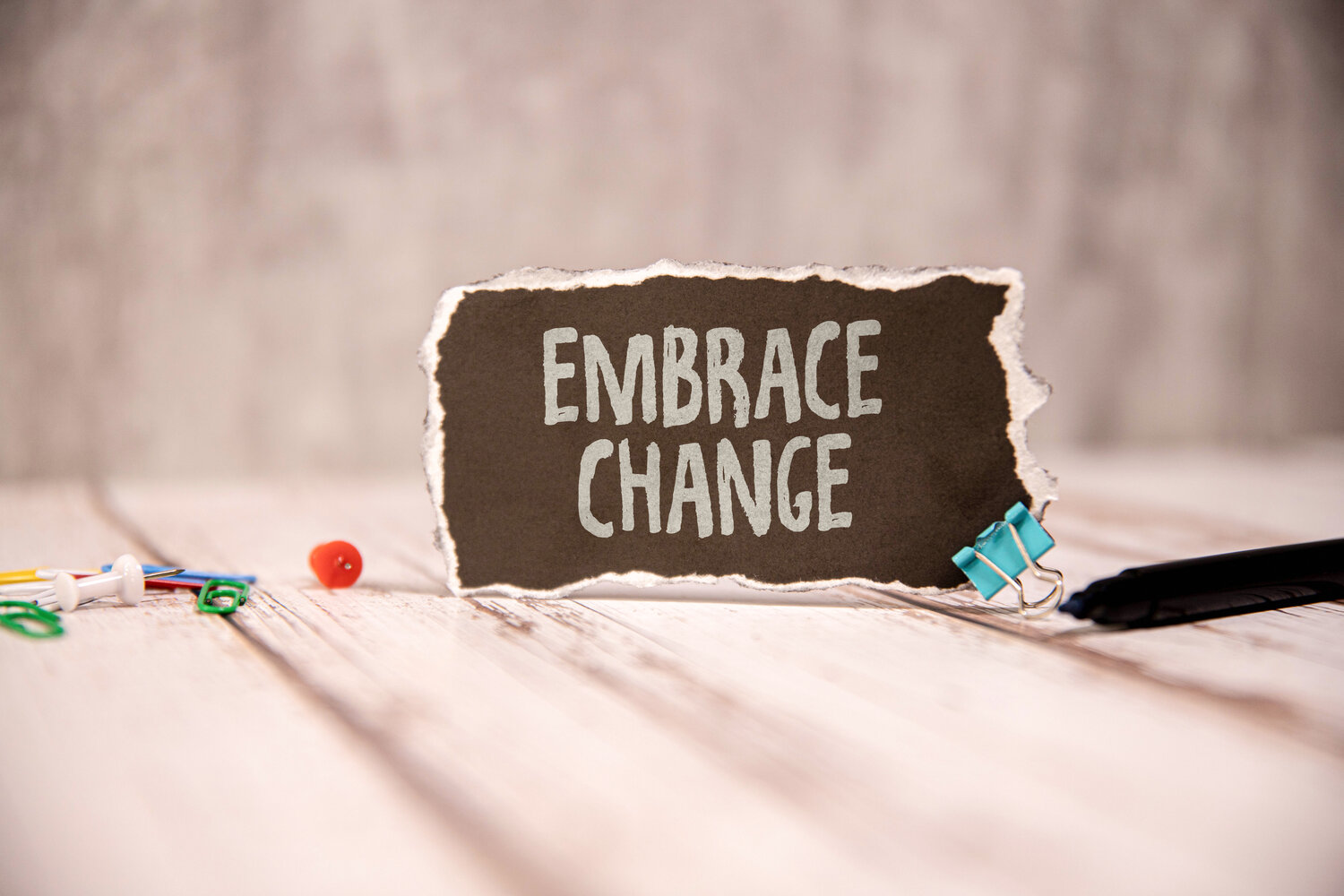
We’re not even one month into the New Year and have already experienced significant changes. The weather in the Lowcountry was freezing and is gradually warming up again. Leadership in our nation’s capital has transitioned. Some of us are reacting to these and other changes like relocating to the area, starting a new job or volunteer opportunity, losing a dear friend or family member who recently passed.
Admit it. Change is inevitable. It’s one of the few things we know will happen. How we react to change affects our mental health. Are we going to embrace change or resist it? As humans, we are creatures of habit and often fear the unknown. If we allow it, change can cause mental health concerns such as anxiety and depression.
According to experts, adjustment disorders occur when there is a reaction to a stressful change or event that is much more intense than would typically be expected. These can cause a lot of problems in getting along with others at work, school, on the golf course or pickleball court.
However, change can also bring about positivity by becoming more adaptable and navigating the new situations we’re in. When we willingly confront life’s shifts, we build mental fortitude and develop the ability to cope with unexpected challenges. By confronting our own fears regarding big shifts, taking these risks can increase our self-esteem as we begin to understand what we are capable of.
Once we are aware of our negative thoughts, we can be more active in shifting them to positive ones. Be present in the moment and reduce our anxieties about what may lie ahead.
Approaching change as a learning experience can foster growth in our own lives. Viewing every challenge brought upon us as an opportunity to learn something new about ourselves is a perfect way for us to gain new skills and insight during a particularly difficult time.
Talking to friends and loved ones about our struggles can bring us a sense of comfort and give our thoughts a voice by allowing us to talk through our feelings. We don’t have to face these alone.
Embracing change is not always easy, but it is a crucial step toward improving our mental health. We develop adaptability, resilience, personal growth, and a broader perspective on life. Change is often positive!
Rob Pearson, M.S. is Executive Director of Mental Health America of the Lowcountry, providing daily adult group mental health counseling programs in Bluffton and Beaufort for clients with schizophrenia, bipolar disorder, depression, anxiety, PTSD and more. Contact: robp@mhalowcountry.org , 843-415-9110


