
Highlights of the history of plastic surgery
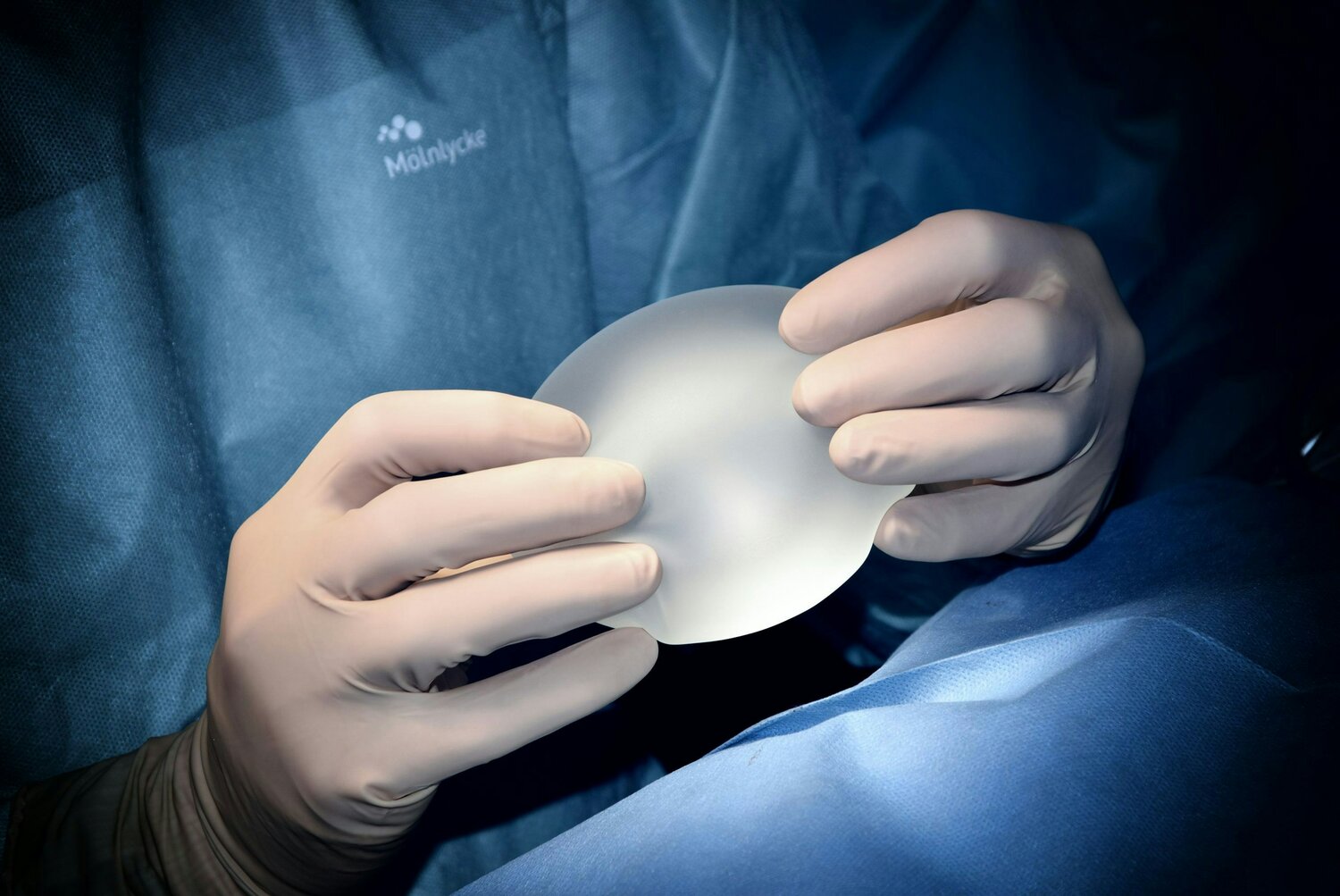
The origins of plastic surgery can be traced back to ancient times, with the term “plastic” derived from the Greek word “Plastikos,” meaning “to mold.” This specialty has evolved significantly over the centuries, becoming a crucial field in both reconstructive and aesthetic medicine. One of the earliest milestones in the field came in the 1500s when Gaspar Tagliacozzi wrote the first textbook on plastic surgery, focusing on reconstruction of noses after trauma. This laid the groundwork for future advancements in the field.
The late 19th century saw the emergence of groundbreaking procedures. In 1899, the first breast augmentation was performed using tissue transplanted from the back. Shortly thereafter, the first implantable materials were used for breast augmentation, including paraffin, beeswax, vegetable oil, industrial silicone, and Ivalon sponges. These early attempts often resulted in complications and felt like “lumpy bricks.” Despite these challenges, they marked the beginning of a new era in plastic surgery.
Jacques Joseph is often regarded as the father of modern plastic surgery, particularly for his contributions to rhinoplasty around the turn of the 20th century. His techniques and surgical instruments are still in use today, demonstrating the lasting impact of his work.
Plastic surgery saw rapid growth during World War I, as surgeons were tasked with reconstructing severe facial and head injuries. This experience led to advancements in reconstructive techniques for peacetime injuries, including deformities, burns, facial fractures, and birth defects like cleft lip and palate.
As Hollywood gained prominence, movie stars became early adopters of cosmetic surgery. These early procedures were not without risks, as exemplified by Hedy Lamarr’s unfortunate experience with facial fillers.
The popularity of breast enlargement surged with Carol DoDa, a San Francisco topless dancer who underwent silicone injections. While the results were impressive in terms of size, they became hard, lumpy, and deformed. These early requests for cosmetic procedures paved the way for a boom in plastic surgery for the general public.
The field of plastic surgery continued to evolve in the decades that followed. The 1960s saw the development of silicone breast implants, which attracted thousands of women seeking breast enlargement. Procedures like “nose jobs,” eyelid lifts, face lifts, breast uplifts and reductions, ear pinning, and other cosmetic surgeries also became popular. The invention of liposuction around 1980 marked another significant milestone, as it became the most popular cosmetic surgical procedure.
Today, the demand for minimally invasive procedures has led to the development of treatments like Botox, dermal fillers, and various energy-based devices. These innovations allow for cosmetic enhancements with minimal downtime, catering to the needs of busy individuals. While reconstructive surgery remains an essential aspect of the field, cosmetic procedures have become increasingly common. The combination of advanced surgical techniques, non-invasive treatments, and complementary aesthetic services has transformed the appearance of modern individuals, particularly evident in the youthful look of today’s grandmothers compared to those of past generations.
As technology and techniques continue to improve, the field of plastic surgery is likely to see further advancements, offering even more options for both reconstructive and cosmetic procedures.
With ongoing innovations in materials, techniques, and technology, plastic surgery will continue to play a vital role in enhancing both form and function for individuals worldwide.
E. Ronald Finger, MD, FACS is a board-certified plastic surgeon with offices in Savannah and Bluffton. fingerandassociates.com


